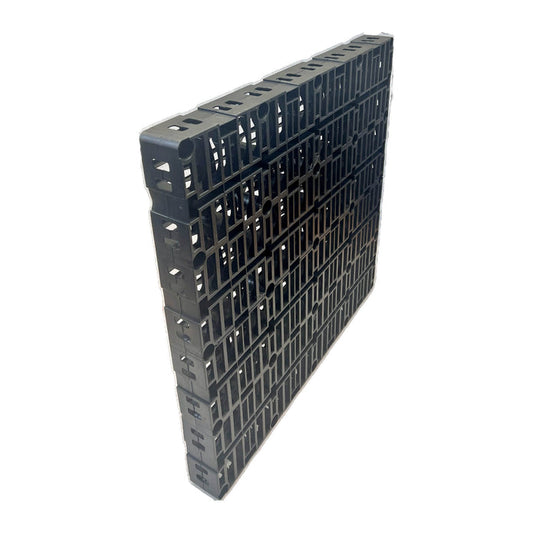
Soakaway crates manage surface water by collecting runoff below ground and allowing it to disperse gradually into the surrounding soil or be held for controlled release. They are commonly used as part of SuDS compliant drainage systems to reduce flooding, standing water and pressure on traditional drainage networks.
These systems are typically connected to roof drainage, driveways, patios, car parks and other hard surfaces. Once installed, the crates provide a high void space that temporarily stores water and releases it at a rate determined by ground conditions and system design.
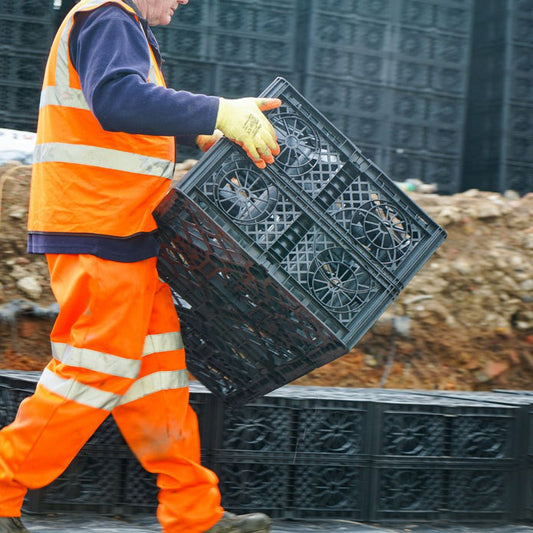
Soakaway crates are modular and can be configured to suit different storage volumes, excavation depths and site constraints. They are lightweight, quick to install and suitable for domestic, commercial and light industrial applications, including trafficked areas when correctly specified.
Correct installation is critical to performance. For infiltration systems, crates should be fully wrapped in a permeable non woven geotextile membrane to prevent soil fines entering the system while still allowing water to pass into the ground. In poor draining soils or where infiltration is not suitable, crates can be encapsulated in an impermeable membrane to form an attenuation tank with controlled discharge.
Soil type, groundwater levels and available space all influence soakaway design. Clay soils or restricted sites may require larger systems, shallower crates or attenuation rather than infiltration. Correct positioning away from buildings, along with provision for access and maintenance, should always be considered.
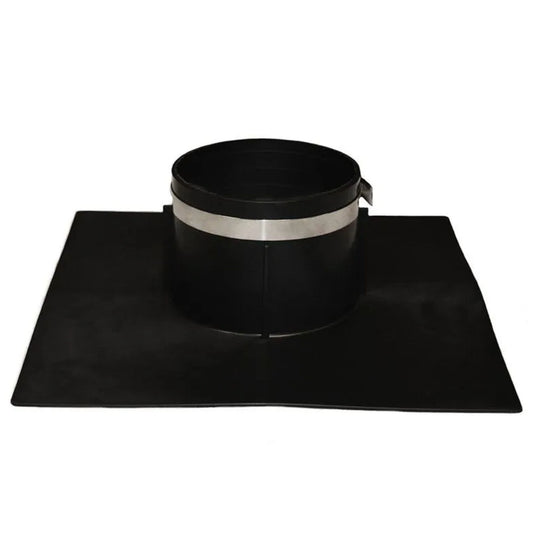
This category includes a range of soakaway crate systems and supporting components designed to help you specify the correct solution for effective surface water management.