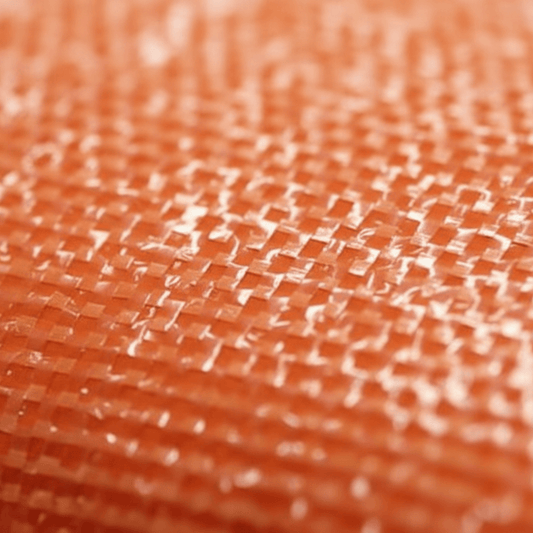
Woven Geotextile Membranes
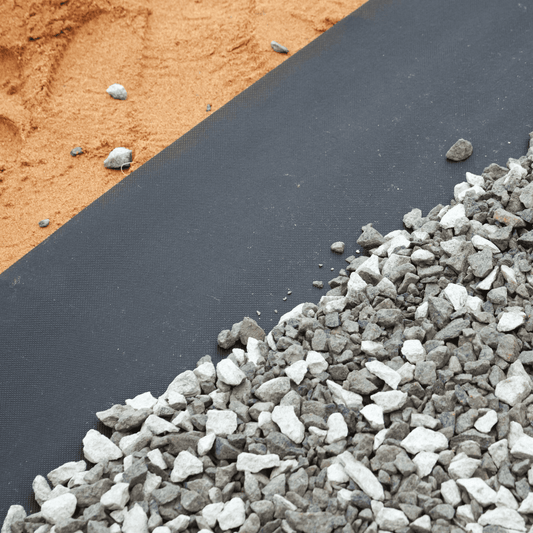
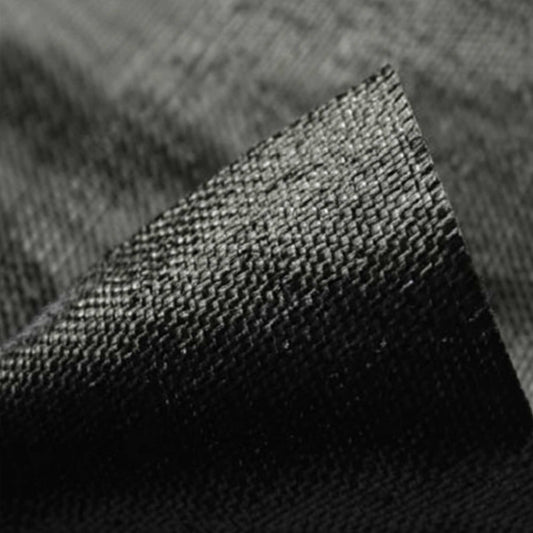
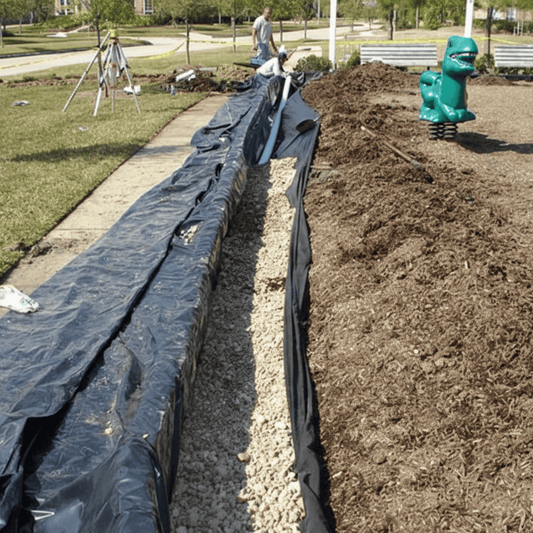
Woven geotextile membranes are high strength fabrics used for ground stabilisation, reinforcement and long term load distribution in trafficked or weak ground conditions.

-
Fastrack G90 Black Woven Geotextile Membrane 78gsm
Regular price From £34.63Sale price From £34.63 Regular priceUnit price per -
Black G90 Woven Geotextile Membrane Cuts 100gsm
Regular price From £28.85Sale price From £28.85 Regular priceUnit price per -
Black GTM100 Woven Geotextile Membrane 100gsm
Regular price £57.54Sale price £57.54 Regular priceUnit price per -
GP90 Woven Geotextile Separation Membrane
Regular price From £57.60Sale price From £57.60 Regular priceUnit price per -
Alarm 15 Orange Woven Geotextile Warning Layer 80gsm
Regular price £404.40Sale price £404.40 Regular priceUnit price per -
Hi-Vis Orange Woven Geotextile for Contaminated Ground Separation
Regular price £219.60Sale price £219.60 Regular priceUnit price per